- (864) 365-3750
- drjgreen@bellsouth.net
- 1109 S Church ST Greenville SC 29605
Neuropathy can change daily life in frustrating ways. When nerves are irritated or damaged, sensations that should feel normal may turn into burning, tingling, numbness, or ongoing discomfort. For many people, that discomfort creeps into sleep, movement, work focus, and overall confidence.
Hyperbaric oxygen therapy (HBOT) is drawing attention as an oxygen therapy option that may support nerve health and comfort. In a hyperbaric chamber, increased pressure helps deliver higher levels of oxygen throughout the body, which may support tissue recovery and healthier nerve function.
Here’s practical, wellness-centered information for more practical, wellness-centered information around HBOT for neuropathy. It does not replace medical care. If you have new symptoms, rapidly worsening pain, loss of sensation, weakness, balance changes, or concerns related to diabetic neuropathy or other conditions, partner with a qualified clinician.
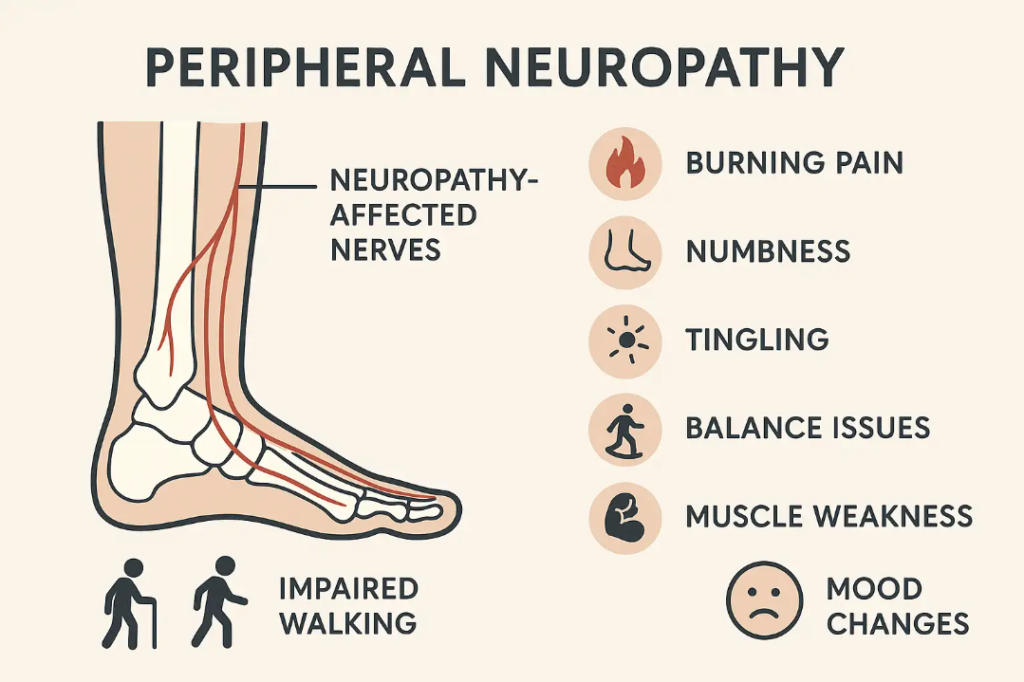
Peripheral neuropathy involves damage to the peripheral nerves, which affect how you feel sensations, control muscles, and go through normal day-to-day movement. The source article notes how neuropathy symptoms can turn routine activities into daily challenges and lower quality of life. That experience is why people often look for strategies that support comfort, recovery, and steady function.
Symptoms vary from person to person. Some feel sharp, electric pain. Others notice burning sensations, tingling, or numbness in the hands or feet. Many people report symptoms that get worse at night, which can disrupt sleep and add fatigue on top of pain. The source content also points to muscle weakness and balance concerns for some individuals.
Causes can also vary. Diabetes is commonly associated with neuropathy, but the source also highlights autoimmune disease, infections, physical injury, toxins, and medication-related impacts, including cancer treatments. That range of causes is one reason why there is no single “best” answer for everyone. Many people end up combining medical oversight with lifestyle support, recovery tools, and wellness approaches aimed at calming symptoms and improving daily function. Because neuropathy can be persistent, people often want options beyond medications alone, especially when relief feels limited or side effects become a concern.
Nerves depend on oxygen to function well, especially during recovery after stress or injury. Oxygen therapy, including hyperbaric oxygen (HBOT), increases oxygen availability in the body and may support nerve repair and axonal regeneration, which are often discussed in conversations about nerve recovery.
One reason oxygen therapy is discussed in neuropathy settings is microcirculation. When blood flow is compromised, nerves may not receive enough oxygen for normal upkeep. The source describes how HBOT can saturate the bloodstream with high levels of oxygen, helping oxygen reach tissues where delivery may be reduced due to nerve damage.
Another topic that comes up often is inflammation and oxidative stress. Increased oxygen availability is associated with reductions in nerve inflammation and oxidative stress, both of which can contribute to neuropathic pain. HBOT may help modulate inflammatory responses and support cellular energy demands during regeneration pre and post-injury.
It helps to keep expectations grounded. HBOT therapy is not positioned as a single-step fix for every type of neuropathy. Instead, many people approach it as part of a broader wellness plan designed to support comfort, daily function, and recovery capacity over time. When protocols are set thoughtfully and used consistently, some people report improvements in how they feel day to day, including better tolerance for activity and steadier sleep.
If you are comparing options, it is also useful to separate medical hyperbaric care from non-medical chamber use. Medical-grade hyperbaric oxygen therapy is regulated and used for specific approved indications under clinical oversight, while non-medical hyperbaric oxygen approaches are typically used for wellness support and performance routines.
Many people searching for hbot for neuropathy want to know whether it can support nerve comfort when symptoms are tied to well-known categories like diabetic neuropathy or chemotherapy-induced neuropathy. With diabetic neuropathy, elevated blood sugar over time can contribute to nerve damage and reduce normal nerve signaling. With chemotherapy-induced neuropathy, cancer treatments can sometimes affect nerve integrity, adding discomfort during an already demanding recovery period.
Hgher oxygen levels may help reduce inflammation, support nerve metabolism, and may help stimulate nerve growth and regrowth processes tied to nerve repair. Research and clinical case studies have reported outcomes like reduced neuropathic pain, improved sensation, and better wound healing with regular use.
In practical terms, people often evaluate HBOT based on three questions: how symptoms affect daily function, what protocols feel realistic to stick with, and how the chamber setup fits their lifestyle. When neuropathy affects the feet or hands, consistency tends to matter. People who can schedule sessions around work and family routines often find it easier to keep a steady pace than those relying on limited appointments at a facility.
This is also where the “why are doctors against hyperbaric oxygen therapy” question shows up in search results. The answer is usually less about opposition and more about the difference between medical indications, regulation, evidence thresholds, and the realities of reimbursement. If you have a medical condition, medical guidance comes first. If you are using HBOT in a wellness context, it is still wise to talk with a clinician who understands your history, medications, and risk factors.
If you are looking at HBOT as an at-home option or as a service within a clinic, chamber selection and support matter. A good choice depends on space, frequency of use, and the kind of experience you want for comfort and consistency. Soft-shell chambers are often selected for home use because they fit more easily into personal wellness setups. Hard-shell chambers are commonly selected for higher utilization environments where durability and regular client scheduling matter.
HBOT Revolution offers hard-shell chambers with selectable ATA levels, commonly ranging from 1.3 to 2.0 ATA, with select models available in 2.5 ATA. For people comparing “hyperbaric chamber for diabetic neuropathy” or researching “hyperbaric oxygen therapy cost,” the most important next step is often a clear plan that matches the chamber to the user, not the other way around.
Safety and protocol guidance should stay front and center. It’s important to follow the manufacturer’s guidance for session duration and frequency, starting with lower-pressure sessions, and adjusting gradually as your body adapts. It also notes that improper use may increase the risk of oxygen toxicity, which is one reason education and consistent protocols matter. If you have claustrophobia concerns, sinus or ear issues, lung conditions, or other health questions, talk with a clinician before starting and consider a supervised first experience.
For clinics and wellness businesses, the goal is a setup that supports reliable client experiences, consistent scheduling, and clear positioning. HBOT is often offered as a supportive modality alongside recovery-focused services. For home users, the goal is usually convenience, comfort, and the ability to build a steady routine without relying on appointments.
Ready to take the next step? For individuals researching HBOT for neuropathy in a non-medical context, Carolina Hyperbaric and Wellness offers hyperbaric oxygen therapy in a dedicated wellness clinic setting. Their services focus on comfort, consistency, and education for those exploring HBOT as part of a broader wellness routine.
injury, pain management, pain, disease, nerve, diabetes, peripheral nervous system, paresthesia, therapy, laser, patient, back pain, health, nervous system, diabetic neuropathy, foot, central nervous system, muscle, treatment, treatments, cell, knee, blood, sensory neuron, pressure, neck, vitamin, inflammation, rheumatoid arthritis, medicine, acupuncture, arm, shoulder, immune system, root, regeneration, orthopedic surgery, healing, kidney disease, tendon, vitamin deficiency, exercise, hip, physical therapy, limb, cells, appointment, laser therapy, bone, medical history, neuron, metabolism, perspiration, elbow, risk, vertigo, oxygen, oxygen therapy, brain, complication, wound, angiogenesis, chamber, decompression sickness, mayo clinic, chemotherapy, hyperglycemia, weakness, microcirculation, blood pressure, hypoxia, analgesic, apoptosis, atmospheric pressure, burn, nutrient, complications of diabetes, skin, surgery, stress, research, oxidative stress, side effect, necrosis, ischemia, medical, healthcare, diabetic, peripheral nerve regeneration, damage, consultation, hbot, nerves, hyperbaric, mechanism of action, autonomic nervous system, antibody, opioid, drug, neuroprotection, medication, bladder, hypersensitivity, nerve growth factor, neurology, edema, radiation therapy